
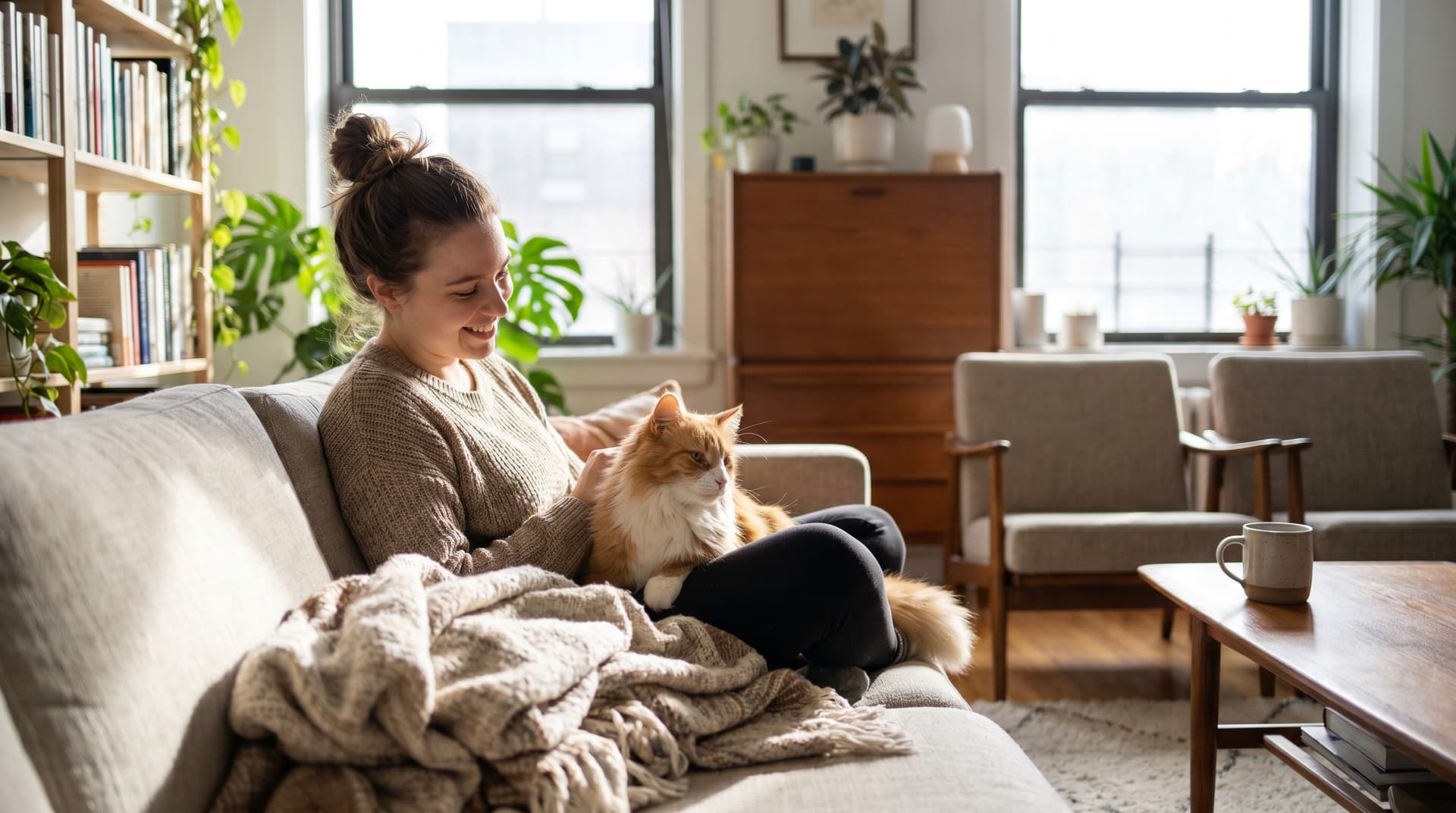
For most of the pet industry's modern history, dogs were the product category. They eat more, they destroy things faster, they need more gear, and they respond enthusiastically to the kind of premium lifestyle marketing that drives high-margin sales. Cats were the afterthought — a smaller, less tractable market served largely by products adapted from canine lines.
That calculus is changing in 2026, and the industry knows it.
The ownership shift
The trend lines tell a clear story. Analysts describe a cat population that has held steady-to-rising while dog ownership sits in what Packaged Facts calls "a state of recovery" following the pandemic adoption surge. Cats already live in roughly half of the households these industry surveys track — a base large enough that the market can no longer treat it as secondary.
Several structural forces are driving this. Housing costs and smaller living spaces in urban areas favor cats, which are less expensive to maintain, more tolerant of apartment life, and better suited to owners who spend long hours away from home. The return-to-office trend has also been a factor: cats are simply more independent, and that independence looks attractive to working households navigating uncertain schedules.
"A major turning point"
Shannon Landry, Research Director at Packaged Facts, has been blunt about the significance of the moment. "Cats have historically been a second-class citizen in the pet market," she said in a June 2026 ECRM market analysis, "but cat owners are becoming a little more vocal in their preferences and they want equal treatment. Our surveys show cat owners are a little irritated that people haven't been paying them enough attention. I think that's shifting though. I think marketers and retailers are realizing that not only is it profitable to cater to cat owners, but that they're doing a service to these animals that have been essentially second class citizens for a while."
What's driving cat spending
The primary catalyst, analysts agree, has been the rise of fresh, human-grade pet food brands using direct-to-consumer delivery models. These brands — built around wellness, ingredient transparency, and lifestyle marketing — found a receptive audience among cat owners, and their DTC infrastructure naturally extended into adjacent categories: cat litter subscriptions, chronic prescription medication delivery, and preventative health supplements.
Cat owners also skew digital and subscription-ready — comfortable buying online and reachable through the social platforms where these brands market — and increasingly unwilling to settle for the commodity end of the shelf.
Where the growth is
Within a U.S. pet market now worth more than $150 billion a year, cat-specific commerce is among the faster-growing segments. Analysts note that cat ownership and spending are outpacing dogs on a growth-rate basis, helped by the same economic conditions that have constrained dog ownership. Premium and functional consumables for cats — better food, supplements, smarter litter — are the highest-growth sub-segments.
The premiumization wave, previously most visible in dog food, is now arriving in cat categories. Premium private-label cat food lines with biologically appropriate ingredients are expanding at major retailers. Cat health supplements, litter technology, and veterinary telehealth services aimed at cat owners are attracting investment that simply was not there five years ago.
What it means for brands
The opportunity for brands entering the cat space is substantial precisely because the field is still underdeveloped relative to consumer demand. Packaged Facts calls the runway for cat-focused offerings "significant," noting that despite growing industry awareness, unmet needs in feline health, nutrition, and care remain widespread.
For brands that have spent years building canine product lines and wondering whether the cat market justified the investment, 2026 may be the year that question answers itself.
Sources: ECRM — 2026 U.S. Pet Market Outlook (Packaged Facts) · Packaged Facts · Global Pet Industry — ownership & adoption trends